Ever wondered what happens when someone can’t pay their mortgage? A judicial foreclosure is a legal way for lenders to take back a home. It can really change a homeowner’s financial life.
A judicial foreclosure is when a court helps take back a home because of unpaid mortgage. It’s different because the court is involved. This makes it more open and fair for everyone.
The Foreclosure Court Process helps keep things fair. It makes sure lenders and homeowners are treated right. Every step of taking back a home is checked by a judge. This ensures things are done correctly and fairly.
Table of Contents
Key Takeaways
- Judicial foreclosures involve court supervision of property repossession
- The process provides legal protection for both lenders and borrowers
- Court involvement ensures a more transparent foreclosure method
- Homeowners have specific rights during judicial foreclosure proceedings
- Each state may have unique rules governing judicial foreclosures
Understanding Judicial Foreclosure
Going through mortgage foreclosures can be tough for homeowners. Judicial foreclosure is a key legal step that helps protect borrowers. It involves a detailed lawsuit process that needs a court’s help.
Judicial foreclosures are different from non-judicial ones. The main difference is that a court is directly involved in the process.
Definition and Legal Framework
A judicial foreclosure is when lenders sue to take back a property if borrowers stop making payments. The court checks the case carefully. It makes sure:
- Documents are correct
- Borrower’s rights are looked after
- The process is fair
Key Differences from Non-Judicial Foreclosure
Knowing the differences between judicial and non-judicial foreclosures is important. The main differences are:
- Court Involvement: Judicial foreclosures need a court’s direct help
- They take longer than non-judicial ones
- They offer more legal protection for borrowers
States use judicial foreclosures to protect homeowners’ equity. This ensures a clear and fair process for everyone involved.
The Judicial Foreclosure Process
Understanding the judicial foreclosure process is key. Foreclosure Laws By State differ, but the main steps are the same. Lenders must follow a legal path to get back the property.
The journey through judicial foreclosure has many steps. These steps protect both the lender and the borrower. Knowing the Foreclosure Notice Meaning is very important.
Filing a Complaint
When a borrower misses mortgage payments, lenders start legal action. They file a complaint with the court. This document has:
- Mortgage contract details
- Payment history
- Total outstanding debt
- Property information
Serving the Borrower
After filing, the lender must tell the homeowner about the lawsuit. This ensures the homeowner knows and can respond.
| Notification Method | Legal Requirements |
|---|---|
| Personal Delivery | Direct hand-delivery of court documents |
| Certified Mail | Registered letter with return receipt |
| Publication | Legal notice in local newspaper if direct contact fails |
Court Proceedings
In court, both sides share their points. The borrower can fight the foreclosure, try to negotiate, or accept it. Judges then decide based on the evidence.
The judicial foreclosure process emphasizes transparency and legal protection for all parties involved.
Rights of Borrowers in Judicial Foreclosures
Going through a Court-Ordered Sale is tough for homeowners with mortgage troubles. It’s key to know your legal rights in Judicial Foreclosure States and Mortgage Default Laws.
Borrowers have important protections in judicial foreclosure. These rights help ensure fairness and give chances to solve legal issues.
Right to Respond to Foreclosure Complaint
Homeowners have legal choices when faced with a foreclosure lawsuit:
- Respond on time as the court says
- Question the foreclosure’s legal basis
- Offer defenses against the claim
- Talk to the lender before a final decision
Right to Legal Representation
Getting help from a lawyer can change the foreclosure’s outcome. A skilled attorney can:
- Explain complex legal steps
- Spot any legal mistakes
- Find other ways to solve the issue
- Keep your property rights safe
Borrowers should move fast and wisely when facing foreclosure. Knowing your rights is the first step in protecting your home and financial future.
Advantages of Judicial Foreclosure
Judicial foreclosure helps both lenders and homeowners. It offers strong protections during the Home Seizure Process. This legal method is different from others.

The Property Auction Court system has many benefits. It’s a strong way to solve property problems:
- It gives legal protection to everyone involved.
- It makes sure the foreclosure steps are clear.
- It lowers the chance of wrong property seizures.
Legal Oversight: A Complete Shield
Legal oversight in judicial foreclosures makes everything clear. The court checks each step carefully. This means:
- Lenders must show they have the right to foreclose.
- Borrowers get fair notice and a chance to reply.
- All papers are checked well.
Clear Title Transfer: Solving Property Issues
The judicial process solves property ownership problems. It makes sure any title issues are fixed. This gives new owners full confidence in their rights.
In the end, judicial foreclosures protect lenders and borrowers. They make sure property transfers are legal and clear when mortgages can’t be paid.
Potential Disadvantages
Judicial foreclosures are tough for homeowners. They offer strong legal protection but have big downsides. These can make getting your property back hard.
Knowing the downsides helps homeowners make smart choices. The process has big financial and personal impacts.
Time-Consuming Legal Proceedings
Judicial foreclosures take a long time. Homeowners might face legal fights that last from six months to three years. This makes it hard to know what will happen.
- Court hearings need lots of paperwork
- Many legal steps make it take longer
- Legal steps can slow down solving the issue
Financial Burdens and Associated Costs
Legal foreclosures cost a lot of money. Homeowners face many expenses during the process.
- Court filing fees
- Costs for lawyers
- Other administrative costs
- Charges for keeping the property up
These costs can add up fast. They make a tough time even harder. Homeowners need to think about if they can afford these costs.
Even though judicial foreclosures protect you legally, they are slow and expensive. Getting help from a lawyer is a good idea. They can explain your options and what might happen.
Timeline of a Judicial Foreclosure
Going through a Property Foreclosure Lawsuit is complex. It’s important to know the Legal Foreclosure Timeline. Each step in the judicial foreclosure process has big effects on homeowners facing home loss.
Pre-Foreclosure Phase
The pre-foreclosure phase starts when you miss mortgage payments. Lenders usually wait 120 days before starting foreclosure. In this time, you might get:
- Notice of missed payments
- Warning letters from the lender
- Potential chances for loan modification
Court Hearing Timeline
In a Judicial Home Loss case, the lender must file a complaint with the court. The legal steps are:
- Complaint filing by the lender
- Borrower notification and response time
- Discovery phase
- Potential court trial
Redemption Period
Some states have a redemption period after the court judgment. This lets homeowners try to get their property back. The time allowed varies by state, from weeks to months.
Knowing the Property Foreclosure Lawsuit timeline helps homeowners make smart choices. It lets them look for other options during this tough legal time.
Role of the Court in Judicial Foreclosures
Courts are key in judicial foreclosures. They help protect both lenders and homeowners. The process is fair and structured.
When a lender starts a foreclosure, the court steps in. Homeowners can fight back in court. This makes the judicial system very important.
The Judge’s Responsibilities
Judges do many important things in foreclosure cases:
- They look at the lender’s first complaint.
- They check the evidence from both sides.
- They make sure the foreclosure follows the law.
- They protect homeowners’ rights.
How Decisions are Made
Court decisions in foreclosure cases are made carefully. Judges look at:
- The mortgage contract.
- How well the borrower paid.
- The borrower’s financial situation.
- Any defenses the borrower has.
The court makes sure everything is fair and clear. If the court says the borrower defaulted, it might let the property be sold.
| Court Evaluation Criteria | Homeowner Options |
|---|---|
| Mortgage Documentation | Loan Modification Request |
| Payment Default Verification | Debt Negotiation |
| Legal Compliance Check | Appeal Filing |
Judicial foreclosures provide a structured legal framework that protects both lender interests and homeowner rights through thorough court oversight.
Impact on Credit Scores
A judicial foreclosure can hurt your financial health a lot. It’s important to know how Judicial Repossession Law affects your credit. This helps you manage your money better.
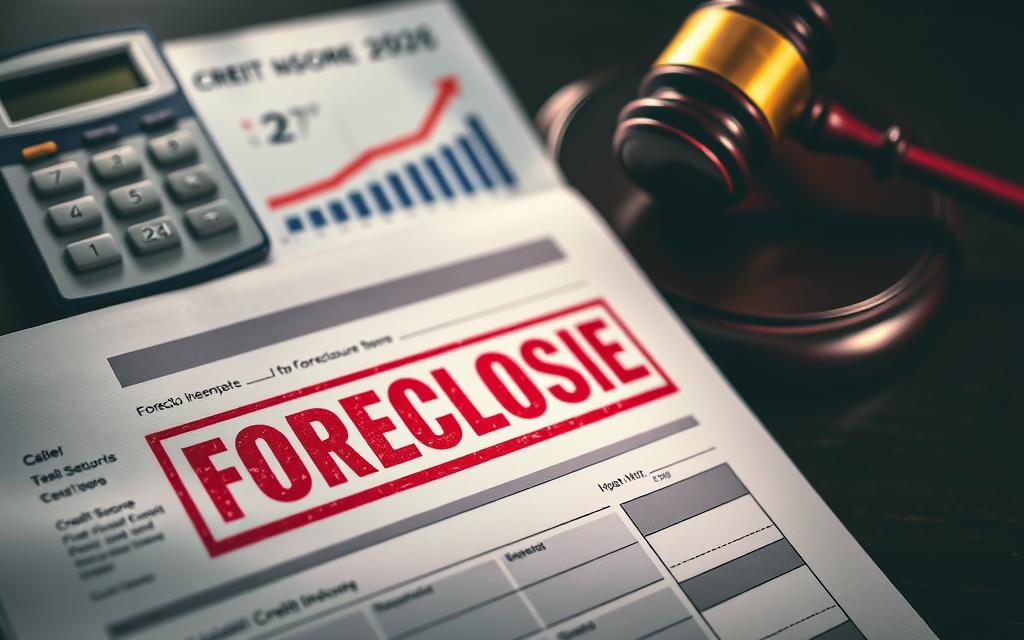
When a Judicial Foreclosure happens, it’s a big negative mark on your credit report. It can lower your credit score a lot. This drop can be between 100-300 points, depending on your credit score before.
Short-Term Credit Effects
The quick effects of What Is A Judicial Foreclosure are very bad for your credit:
- Immediate credit score drop
- Hard to get new credit
- Higher interest rates on loans
- Challenges in getting a job
Long-Term Credit Rebuilding Strategies
To get over a judicial foreclosure, you need a good plan. Here are some steps to help rebuild your credit:
- Check your credit report for mistakes
- Open new credit lines wisely
- Pay on time
- Try secured credit cards
- Keep a steady payment history
Remember, a judicial foreclosure stays on your credit report for seven years. But, with smart money management, its effect gets smaller over time.
State-Specific Variations
Every state has its own rules for foreclosure. This means homeowners and lenders face different legal situations. It’s a complex world.
How a state handles foreclosure lawsuits can change a lot. It depends on the state’s laws and economy. Knowing this is key for anyone worried about losing their home.
Diverse State Law Examples
States have different ways to handle foreclosures:
- California mostly uses non-judicial foreclosures
- New York needs strict judicial foreclosures
- Florida has detailed court oversight
- Texas allows both judicial and non-judicial methods
Key Factors Influencing State Foreclosure Procedures
Several things shape how states handle foreclosures:
- Historical legal precedents
- Local economic conditions
- State legislative priorities
- Consumer protection regulations
Remember, foreclosure laws are not the same everywhere. Getting help from a local lawyer is very important. They can explain your state’s rules.
The mix of state rules makes getting help very important. It’s key when facing foreclosure.
Alternatives to Judicial Foreclosure
Homeowners facing foreclosure have many ways to save their homes. Knowing the Foreclosure Timeline and looking at other options can help. This can ease financial stress and keep your home safe.

If you’re having trouble with mortgage payments, talking to your lender is key. The Foreclosure Laws By State can guide you on how to handle foreclosure.
Loan Modifications: A Path to Affordability
Loan modifications can be a big help for homeowners in tough spots. This means working with your lender to change your mortgage. You might see:
- Lower monthly payments
- Longer time to pay back the loan
- Lower interest rates
- Temporary pause in payments
Short Sales: Another Strategic Option
A short sale lets homeowners sell their house for less than what they owe. Knowing about the Foreclosure Notice Meaning can help decide if this is right for you.
| Alternative | Key Benefits | Potential Challenges |
|---|---|---|
| Loan Modification | Lower payments, avoid foreclosure | Potential credit score impact |
| Short Sale | Debt resolution, less credit damage | Requires lender approval |
Every option has its own benefits. Talking to a financial advisor or housing counselor can help pick the best one for you.
How to Prepare for a Judicial Foreclosure
Facing a Court-Ordered Sale can feel scary. But, with the right steps, you can handle it. Knowing how Judicial Foreclosure States work is key.
To get ready for a Default Judgment Foreclosure, do these important things:
- Organize all mortgage-related documents
- Collect financial records and payment history
- Compile correspondence with lenders
- Maintain a detailed file of legal notices
Gathering Critical Documents
Here are the documents you’ll need:
- Original mortgage agreement
- Loan modification paperwork
- Payment receipts and transaction history
- Property tax records
- Any communication with the mortgage lender
Seeking Professional Legal Guidance
Talking to a foreclosure defense attorney is smart. They know a lot about judicial foreclosures. They can help you:
- Understand hard legal papers
- Find ways to defend yourself
- Talk to lenders
- Speak for you in court
Being proactive and getting help from a lawyer can really help. It might save your financial future and property rights.
Frequently Asked Questions
Understanding the Home Seizure Process can be tough. Knowing about Judicial Foreclosure Steps helps protect your rights. It also brings clarity during a stressful time.
Mortgage Default Laws change by state. But, some common questions pop up often. Homeowners often wonder if they can stay in their home during foreclosure.
The answer depends on the legal steps and court decisions. Some borrowers might have ways to negotiate or delay foreclosure legally.
There are important resources to help during this hard time. The U.S. Department of Housing and Urban Development (HUD) offers free housing counseling. They help guide homeowners through possible options.
Legal aid groups in each state can also help. They guide on understanding your rights and possible strategies against home seizure.
Getting professional legal advice is key when facing foreclosure. An experienced real estate attorney can help. They can explain local Mortgage Default Laws, review your case, and try to find other solutions.
Being proactive and understanding Judicial Foreclosure Steps can help protect your financial future.