Are you facing foreclosure and wondering about your rights? The world of homeowner legal rights can seem scary. But knowing your foreclosure defense tips could save your home.
Foreclosure is more than a money problem. It’s a personal crisis that can change your life. Every year, many homeowners face this challenge, feeling lost and unsure.
This guide will help you understand your rights in foreclosure. You’ll learn how to protect your home and money. We’ll cover the legal basics and defense strategies you need to know.
Table of Contents
Key Takeaways
- Foreclosure starts after 120 days of missed payments
- Homeowners have legal rights during foreclosure
- Acting early and knowing your rights can help
- Legal help and government programs can assist
- Each state has its own foreclosure rules
Understanding Foreclosure: An Overview
Real estate can be tough, like when you might lose your home. This guide will help you understand what’s happening and what you can do.
Foreclosure lets lenders take back a home if you can’t pay your mortgage. It’s hard on your wallet and your heart.
What is Foreclosure?
Foreclosure is when a lender tries to get their money back by selling your home. Laws help protect you during this tough time.
- Judicial Foreclosure: Needs court approval
- Non-Judicial Foreclosure: No court needed
- Rules vary by state and mortgage
Key Terms You Should Know
Knowing foreclosure terms helps you deal with the legal side better.
- Default: When you miss mortgage payments
- Acceleration: When the lender wants all the money back
- Redemption: Time to get your home back
The foreclosure process is complex. Each state has its own rules for handling homes in trouble.
Your Rights as a Homeowner
Going through foreclosure can feel scary. But knowing your rights can help a lot. Homeowners facing foreclosure have legal protections to ensure fairness and options.
Foreclosure has many legal steps. These steps give homeowners chances to protect their homes and money. Knowing these rights helps you fight back.
Right to Receive Proper Notification
Lenders must send clear, timely notices before starting foreclosure. These notices usually include:
- Detailed explanation of default status
- Precise timeline for possible property loss
- Chances to fix the default
- Contact info for possible solutions
Right to Contest the Foreclosure
Homeowners can fight foreclosure in many ways. Some strategies include:
- Questioning loan documents
- Showing procedural mistakes
- Proving bad lending practices
- Trying to make new payment plans
Right to Mediation
Many places offer mediation for homeowners. This lets you talk to lenders before foreclosure. You might get:
- Loan changes
- Refinancing options
- Temporary payment plans
- Chance to save your home
Knowing these rights helps homeowners protect their homes and money during tough times.
The Foreclosure Process Explained
Going through foreclosure can feel really tough. Knowing the foreclosure timeline and steps helps you make smart choices.
The foreclosure journey starts when you miss mortgage payments. Lenders usually wait 120 days before starting foreclosure.
Key Steps in the Foreclosure Journey
- Missed Payment Notification
- Notice of Default
- Pre-Foreclosure Stage
- Foreclosure Filing
- Property Sale
Typical Foreclosure Timeline
Every state has its own rules for foreclosure. But, here’s a general outline:
| Stage | Typical Duration | Key Actions |
|---|---|---|
| Initial Missed Payments | 0-120 days | Lender communication |
| Notice of Default | 30-90 days | Legal warning issued |
| Pre-Foreclosure | 3-10 months | Potential loan modification |
| Foreclosure Sale | 1-3 months | Property auction |
Note: Foreclosure timelines can vary a lot. This depends on state laws and your situation.
Legal Considerations
It’s key to know your rights during foreclosure. Some places need court approval for foreclosure. Others don’t.
You can try to stop or slow down foreclosure. You can talk to your lender, ask for a loan change, or fight it in court.
State-Specific Foreclosure Laws
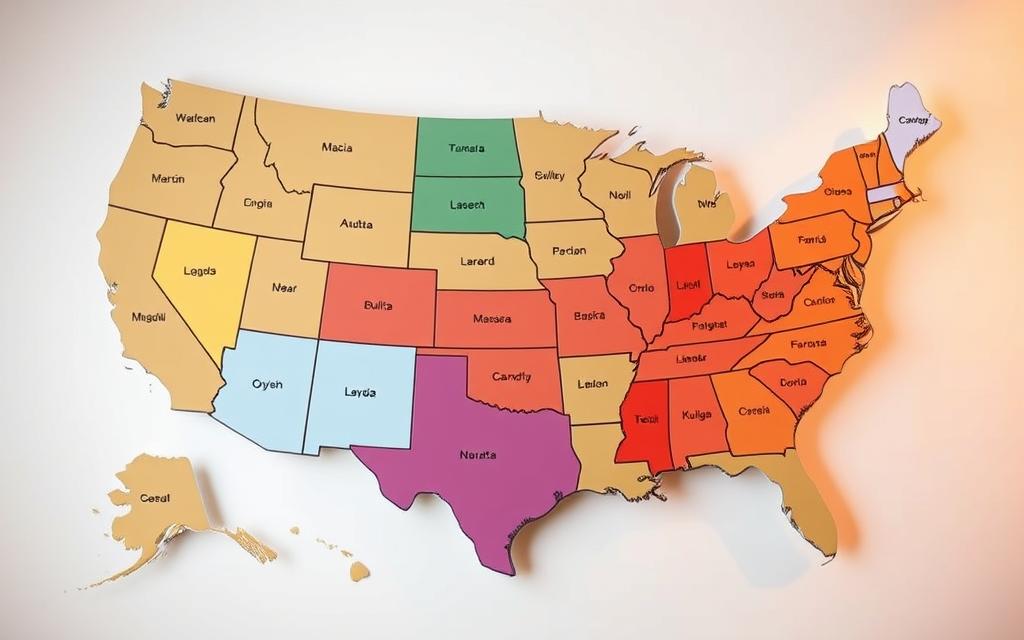
Foreclosure laws are different in every state. This makes it hard for homeowners to know their rights. It’s important to understand these laws to protect your home.
How a state handles foreclosure can change a lot. Some need a court to take your home. Others don’t. This means the rules for losing your home vary a lot.
Key State Differences in Foreclosure Regulations
- Redemption periods range from 30 to 365 days
- Deficiency judgment rules differ by state
- Notification requirements vary in length and method
- Homestead protection laws provide different levels of property defense
How to Research Your State’s Foreclosure Laws
To get help with mortgage laws, you need to do some research. Here’s how:
- Check your state’s housing authority website
- Call local legal aid groups
- Look at your state’s foreclosure rules
- Talk to a foreclosure defense lawyer
Every state has its own foreclosure rules. Knowing your state’s laws can help you keep your home. It can also help you find a way to solve your problems.
Possible Defenses Against Foreclosure
Homeowners facing foreclosure have many legal ways to protect their homes. Knowing how to defend against foreclosure can really help. It’s about understanding your rights and gathering important evidence.
When facing foreclosure, it’s important to plan carefully. Homeowners can fight foreclosure by using legal defenses. These defenses can point out mistakes and financial issues.
Identifying Loan Servicing Errors
Loan mistakes can be a strong defense against foreclosure. Look into these areas:
- Incorrect accounting of payments
- Improper application of mortgage payments
- Mathematical miscalculations in loan balance
- Unauthorized fees or charges
Demonstrating Financial Hardship
Showing you can’t pay your mortgage needs solid proof. Courts might look at:
| Type of Evidence | Documentation Required |
|---|---|
| Job Loss | Termination letter, unemployment records |
| Medical Expenses | Medical bills, insurance statements |
| Reduced Income | Pay stubs, tax returns showing income decline |
Good wrongful foreclosure protection means showing your financial struggles. You need to clearly explain your situation to lenders and courts.
Pro Tip: Always talk to a legal expert in foreclosure defense. They can help you find the best way to fight foreclosure.
The Role of Mortgage Companies
Mortgage companies help homeowners when they’re in tough spots. They work on loan modifications and mortgage relief. This can really help borrowers who might lose their homes.
Lenders know that foreclosure costs a lot of time and money. They usually want to find ways to help homeowners. The early stages often involve loss mitigation strategies to help keep homes.
Key Responsibilities of Mortgage Lenders
- Provide clear communication about loan status
- Offer loan modification options
- Evaluate borrower’s financial hardship
- Explore alternative payment arrangements
Loan Modification Rights for Homeowners
Homeowners have certain rights when they ask for loan modifications. These rights are:
- Right to apply for loan modification
- Right to a fair and thorough evaluation
- Right to receive detailed explanation of decision
- Right to appeal modification denial
Loan modifications can help a lot. They might lower interest rates or extend loan terms. Borrowers should talk to their lender and share all their financial info.
Alternative Options to Foreclosure
Home foreclosure can feel scary. But, there are many ways to avoid losing your home. Looking into other options can really help.
When you can’t pay your mortgage, don’t worry. There are good ways to stop foreclosure:
- Short Sales: Selling your home for less than what you owe
- Deed in Lieu of Foreclosure: Giving your home to the lender
- Loan Modifications: Changing your mortgage to make payments easier
- Repayment Plans: Working out a temporary payment plan with your lender
Understanding Short Sales
Short sales are a smart way to avoid losing your home. You sell your home for less than the mortgage. This way, you might not hurt your credit score as much.
Exploring Deeds in Lieu of Foreclosure
A deed in lieu of foreclosure lets you give your home to the lender. It’s a way to avoid the long and stressful foreclosure process. It might also help your credit score.
When looking at other options, talk to financial advisors or housing counselors. They can help based on your financial situation.
Resources for Homeowners facing Foreclosure
Dealing with foreclosure can feel like a big challenge. But, there are many resources to help. Knowing about legal aid and homeowner programs can really help keep your home safe.

Legal Aid Organizations
Getting free or low-cost legal help is very important. These groups offer great advice:
- National Low Income Housing Coalition
- Legal Services Corporation
- State-based legal aid societies
Government Programs and Assistance
The government has many programs to stop foreclosure:
- Home Affordable Modification Program (HAMP): Helps change mortgage terms
- Department of Housing and Urban Development (HUD) counseling services
- Emergency Rental Assistance Program
It’s important to check if a resource is real and safe. HUD-approved counselors give free advice to help with foreclosure.
Don’t wait too long to ask for help. Contacting legal aid or government programs early can save your home and money.
Understanding Reinstatement and Redemption
Going through foreclosure can be really tough. But, there are two big legal protections that can help. These are reinstatement and redemption rights. They might help you save your home or get it back after it’s been sold.
Foreclosure feels like a bad dream. But knowing about your right to redeem property and cure default can change things. It’s a big help for homeowners who might lose their property.
What is Reinstatement?
Reinstatement lets you stop foreclosure by paying all missed payments. This includes:
- Overdue mortgage payments
- Late fees
- Legal costs for foreclosure
You usually have 90 days to reinstate your loan. This is before the foreclosure sale.
Understanding Redemption Rights
Redemption rights are another big help. They let you get your property back after it’s been sold. You pay the full mortgage balance plus extra costs.
How long you have to redeem your property varies by state. Some states have:
- Judicial foreclosure states with longer periods
- Non-judicial foreclosure states with shorter or no periods
- Specific times from 30 days to one year
Pro tip: Always check local legal resources. They can tell you about your state’s redemption rights. Rules can be very different.
Impact of Foreclosure on Your Credit

A foreclosure can really hurt your money situation. It makes it hard to get credit back. It affects your ability to borrow money in the future.
Foreclosure can lower your credit score a lot. It can drop by 100 to 300 points. This can stay on your report for up to seven years.
How Foreclosure Crushes Your Credit Score
- Immediate credit score reduction of 100-300 points
- Negative mark remains on credit report for 7 years
- Increased difficulty obtaining future loans
- Higher interest rates on new credit
Strategies to Rebuild Credit After Foreclosure
To fix your credit after foreclosure, you need a plan. Here are some steps to help:
- Get a secured credit card
- Pay on time every month
- Use less than 30% of your credit limit
- Check your credit report often
| Credit Rebuilding Strategy | Estimated Recovery Time |
|---|---|
| Secured Credit Card | 12-18 months |
| Consistent Payment History | 24-36 months |
| Credit Score Improvement | 3-7 years |
Being patient and careful with money is important. It helps you rebuild your credit after foreclosure.
Working with Attorneys and Advisers
Going through a foreclosure case can feel really tough. That’s why getting help from a foreclosure lawyer is key. Lawyers know how to guide you through tough money times.
When you might lose your home, picking the right lawyer is very important. Not all lawyers are the same. You need to choose wisely.
Finding the Right Legal Support
Finding a good lawyer takes some thought. Here are things to look for:
- Do they know a lot about stopping foreclosures?
- Have they won many cases?
- Do they know the laws in your state?
- Can they explain things clearly?
- Is their fee clear and fair?
Critical Questions for Your Attorney
Before you choose a lawyer, make a list of questions:
- How many foreclosure cases have they won?
- What strategies might work for me?
- What will it cost, and can we make payments?
- How risky is my foreclosure situation?
Even if money is tight, don’t skip getting legal advice. Many places offer free or cheap talks to help homeowners. They can explain your rights and options.
Getting legal help early can really help protect your home and money.
Emotional Impact of Foreclosure
Facing foreclosure can start a deep emotional journey. It goes beyond just money troubles. It hits at the heart of a homeowner’s sense of safety and self-worth.
Managing foreclosure stress is key during tough times. Homeowners feel many strong emotions. These can really hurt their mental health.
Understanding Emotional Responses
The emotional effects of foreclosure include:
- Feeling very anxious about where to live next
- Thinking you’ve failed personally
- Feeling sad and worried all the time
- Feeling ashamed and judged by others
Effective Coping Strategies
To stay strong, use these tips for managing foreclosure stress:
- Get help from a professional counselor
- Join a support group
- Talk openly with your family
- Take care of yourself and find ways to relax
Support Systems
There are many places to find help with foreclosure’s emotional impact:
| Resource Type | Description |
|---|---|
| Financial Counseling | Free advice from HUD-approved counselors |
| Mental Health Services | Professional therapy and support groups |
| Community Organizations | Local support networks and help programs |
Remember, foreclosure doesn’t mean you’re not worth anything or can’t do better in the future. Looking for help and staying positive are important steps in getting through this hard time.
Next Steps After Facing Foreclosure
Getting over foreclosure takes smart planning and staying strong. It’s tough, but you have ways to get back on track. Knowing your options is key to keeping your financial health strong and fixing your credit.
Start by learning about money management. Talk to credit counselors and financial advisors. They can help you make a plan to get back on your feet. They teach you about budgeting, managing debt, and fixing your credit.
After facing foreclosure, saving money is very important. Try to save for emergencies, cut down on spending, and find new ways to make money. Many people get back on track by being careful with money and looking ahead to a stable future.
Keep moving forward by planning well, learning more, and managing your money wisely. Work with trusted banks, go to credit counseling, and stay up-to-date on housing options. This will help you feel confident and build a strong financial future.