Ever wondered about DUI alcohol monitoring? It’s more complex than you think.
DUI alcohol monitoring is key to keeping us safe. It uses advanced tech to track alcohol use. This helps courts keep an eye on those who’ve driven under the influence before.
In the U.S., courts use DUI Alcohol Testing Rules to stop repeat offenses. These programs help people learn from their mistakes. They focus on helping, not just punishing.
Table of Contents
Key Takeaways
- DUI alcohol monitoring helps track and prevent repeat alcohol-related offenses
- Multiple technological solutions exist for monitoring alcohol consumption
- Monitoring programs aim to promote personal accountability
- Legal requirements vary by state and individual case circumstances
- Technology plays a critical role in modern alcohol monitoring strategies
Understanding DUI Alcohol Monitoring Programs
Alcohol monitoring is key for keeping people safe and holding them accountable. Courts in the U.S. use new tech to watch how much alcohol people drink. This is for those in legal trouble.
DUI monitoring programs are a big deal. They use cool tech to make sure people follow the rules. They help people make better choices.
What is DUI Alcohol Monitoring?
A Court-Ordered Alcohol Monitor is a special device. It tracks how much alcohol someone drinks during a set time. These tools can be small breathalyzers or big systems that send data to courts right away.
- Tracks alcohol consumption patterns
- Provides immediate reporting to courts
- Helps prevent repeat offenses
- Supports rehabilitation efforts
Purpose of Alcohol Monitoring
The main reason for alcohol monitoring is not just to punish. It’s to keep everyone safe, help people get better, and give courts facts about drinking habits.
Who is Subject to Monitoring?
Not just DUI offenders have to wear a monitor. Courts might ask for it in other cases too. This includes:
- DUI and traffic-related offenses
- Domestic violence cases
- Child custody disputes
- Probation requirements
- Workplace rehabilitation programs
Knowing about these programs helps people understand their legal duties. It also supports their personal journey to get better.
Types of DUI Alcohol Monitoring Devices
Alcohol monitoring technology has grown a lot. It gives courts tools to track and stop alcohol crimes. These devices help keep everyone safe and make sure people are responsible.
There are many ways to track alcohol use. Each device has its own job in the legal and help world.
Portable Breathalyzers
Portable DUI Breathalyzer Devices are small and fast. They check alcohol in your breath. They give you a number right away.
- Analyzing breath alcohol content instantly
- Providing digital readouts of Blood Alcohol Concentration (BAC)
- Enabling immediate testing in various settings
Continuous Alcohol Monitoring Systems
Continuous Alcohol Monitoring devices, like the SCRAM Device DUI, track alcohol all the time. They watch alcohol use 24/7. They give lots of data for legal and help reasons.
Transdermal Alcohol Testing
Transdermal alcohol testing is a smart way to check alcohol. These devices find alcohol in sweat. They offer:
- Constant monitoring without frequent manual testing
- Detailed tracking of alcohol consumption patterns
- Non-invasive measurement techniques
Every device has its own good points. They help courts and helpers manage alcohol laws well.
Legal Requirements for DUI Alcohol Monitoring
Understanding DUI monitoring laws in Indiana can be tricky. It’s important to follow state rules and court orders. This is key for those in alcohol testing probation DUI programs.
There are many rules for alcohol monitoring. People on DUI monitoring must know their duties. This helps them stay out of trouble with the law.
State-Specific Regulations in Indiana
Indiana has its own rules for DUI alcohol monitoring. These rules include:
- Mandatory participation in alcohol testing programs
- Strict reporting requirements
- Precise documentation of alcohol consumption
- Regular check-ins with probation officers
Court Orders and Judicial Oversight
Court orders are very important for DUI monitoring. Judges set rules for alcohol testing probation DUI. These rules might include:
- How often to get tested
- The types of monitoring devices needed
- What happens if you don’t follow the rules
- How long you’ll be monitored
Compliance with Monitoring Protocols
To do well in DUI Monitoring Indiana, you must follow the rules closely. Not following these rules can lead to big problems. This includes longer probation, more fines, or even jail time.
Remember, you must agree to chemical tests. Refusing can cause your license to be taken away and more.
How Alcohol Monitoring Works Step-by-Step
Understanding Remote Alcohol Monitor technology is key. It helps with Alcohol Tracking DUI programs. These systems keep tabs on people who must be monitored by the court.

The journey to alcohol monitoring has many important steps. These steps help make sure people follow the rules and get better.
Initial Assessment Process
Before starting a Remote Alcohol Monitor, experts do a detailed check. They look at:
- How much alcohol the person has used before
- Medical tests to see if the person can use a monitor
- Choosing the right monitor for the person
- How often the person will have to report
Installation of Monitoring Devices
Alcohol Tracking DUI programs use different tech to track alcohol use. The setup includes:
- Picking the right device for the person
- Getting the device fitted right
- Setting it up and making sure it works
- Teaching the person how to use it
Daily Check-ins and Reporting
Keeping track every day is very important in Remote Alcohol Monitor programs. People do regular check-ins in a few ways:
| Monitoring Method | Frequency | Reporting Mechanism |
|---|---|---|
| Breathalyzer Tests | Multiple times daily | Digital transmission |
| Transdermal Monitoring | Continuous tracking | Automated data sync |
| Mobile App Check-ins | Scheduled intervals | Instant reporting |
Using new tech makes tracking clear and reliable. This helps during the whole monitoring time.
Duration of Alcohol Monitoring Programs
The time you have to wear a DUI monitor changes a lot. It depends on many things in your case. Knowing how long you might have to wear it helps you get through it better.
Courts decide how long you’ll wear a DUI monitor. It can be a few months or up to a few years. This depends on how bad your crime was and if you’ve done it before.
Common Timeframes for Monitoring
- First-time offenders: 3-6 months
- Repeat offenders: 12-36 months
- Serious DUI violations: Up to 5 years
Factors Influencing Monitoring Duration
Many things can change how long you wear a DUI monitor. These include:
- Blood alcohol concentration (BAC) at arrest
- Previous traffic violations
- How well you follow court rules
- What the law says in your state
Early Release Options
Some places let you get out of wearing a DUI monitor early. You can do this by:
- Always following the rules
- Finishing rehab programs
- Showing you’ve changed for the better
You need to talk to your lawyer and the people watching you. They can tell you if you might get out early. It depends on your case.
Consequences of Non-Compliance
Following DUI alcohol monitoring rules is very important. If you don’t follow Alcohol Watch DUI rules, you could face big problems. These problems can change your life a lot.
Breaking DUI compliance alcohol rules leads to serious penalties. These penalties are meant to keep everyone safe and make sure people follow the rules.
Penalties for Violating Monitoring Requirements
The penalties for not following the rules are harsh:
- Immediate device removal
- Substantial financial fines
- Extended monitoring periods
- Potential jail time
Legal Ramifications
Courts take DUI alcohol monitoring very seriously. If you break the rules, you might face:
- Revocation of probation
- Mandatory court appearances
- Potential criminal charges
- License suspension or revocation
Additional Monitoring Measures
Breaking the rules more than once can lead to stricter oversight. You might have to do more tests, meet in person, and report more often.
These steps are not meant to punish you. They are to help you learn and change. They support you in becoming more responsible.
The Role of Treatment Programs
Alcohol testing and probation for DUI offenders often involve treatment programs. These programs help people deal with alcohol use issues. They support long-term recovery.
Integration of Treatment with Monitoring
DUI alcohol monitoring works best with treatment. It includes:
- Comprehensive assessment of individual alcohol use patterns
- Personalized treatment plans
- Regular counseling and support sessions
- Continuous alcohol testing to ensure compliance
Benefits of Enrolling in Treatment
People in DUI treatment programs gain a lot. They can:
- Reduce the risk of future alcohol-related incidents
- Improve personal and professional relationships
- Learn coping mechanisms
- Potentially reduce monitoring needs
Collaborating with Support Services
Alcohol testing and probation need a support network. People can get help from:
- Licensed counselors
- Support groups
- Mental health professionals
- Rehabilitation specialists
By joining treatment programs, DUI offenders can change their experience. It becomes a chance for personal growth and recovery.
How to Prepare for Alcohol Monitoring
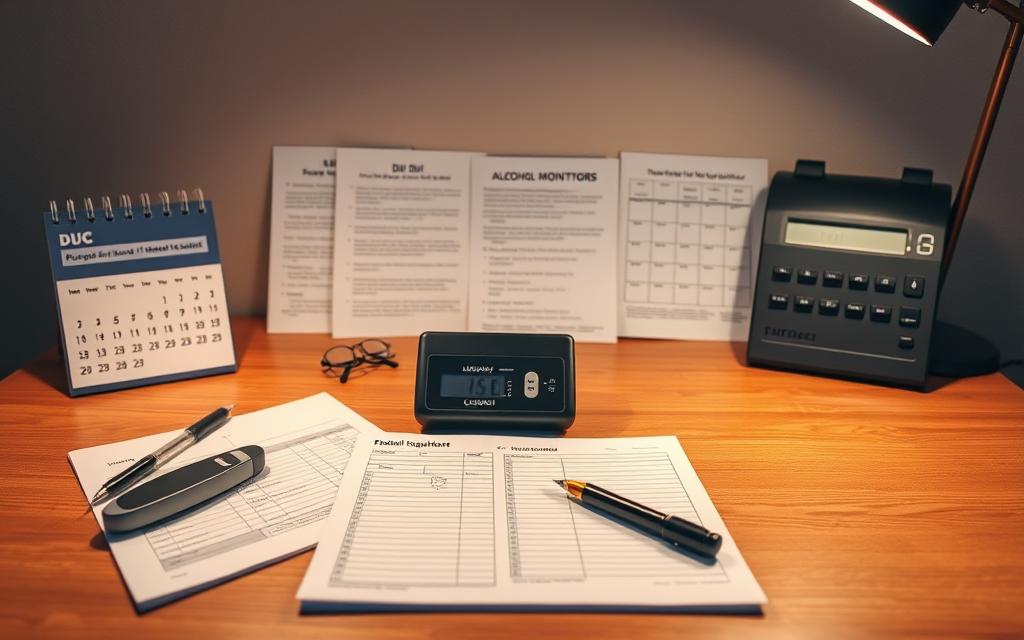
Dealing with DUI alcohol testing rules can be tough. It’s key to get ready well to meet your alcohol monitoring needs. This helps you follow your legal duties.
Knowing the monitoring steps is important. You need to pay close attention and be ready. Here are some tips to help you:
- Familiarize yourself with specific monitoring requirements
- Develop a strong personal support network
- Create a detailed plan for staying compliant
- Keep up with the latest testing rules
Understanding the Requirements
DUI alcohol testing rules change in different places. It’s vital to know your own rules well. Read all court or monitoring agency documents carefully. Ask for help if you don’t get something.
Setting Up a Support System
Having a strong support group is key during monitoring. Talk to:
- Family for emotional help
- Friends who get your commitment
- Counselors who know about DUI
- Groups for alcohol help
What to Expect During the Process
Monitoring means regular checks and strict rules. Be ready for:
- Many tests
- Device needs
- Changes in your life
- Dealing with feelings
Stay positive and committed to follow the rules. This way, you can get through the monitoring smoothly.
Costs Associated with Alcohol Monitoring
Dealing with DUI alcohol monitoring costs can be tough. It affects a person’s budget and daily life. The price of a DUI Breathalyzer Device is a big deal.
How much you pay for alcohol monitoring depends on a few things. There are many costs that can add up fast:
- Initial device installation fees
- Daily or weekly monitoring charges
- Potential maintenance expenses
- Ongoing compliance reporting costs
Device Fees and Installation Costs
Intoxalock and others offer different monitoring plans. Some places charge defendants $12.40 to $24.40 a day. This can be very hard on your wallet.
Ongoing Monitoring Expenses
| Device Type | Average Daily Cost | Monthly Estimated Cost |
|---|---|---|
| Breathalyzer | $15.50 | $465 |
| Transdermal Monitor | $20.00 | $600 |
| Ignition Interlock | $18.75 | $562.50 |
Insurance Coverage Considerations
Most health and auto insurance don’t cover DUI Breathalyzer Device costs. You might have to pay out of pocket. Look into payment plans with providers.
Planning your finances and knowing these costs can help you manage your monitoring better.
Challenges Faced by Individuals in Monitoring
Dealing with a DUI house arrest alcohol test is hard. People under watch face many problems. These issues affect their life, work, and feelings.
Those in alcohol monitoring programs meet many challenges. These tests their strength and dedication to getting better.
Technical Difficulties with Monitoring Devices
DUI alcohol test devices can have unexpected problems. This adds stress for those being watched:
- Frequent calibration needs
- Battery and charging issues
- Connectivity problems
- Possible false positive results
Personal and Social Impacts
The monitoring process can hurt social life and personal ties. People often face:
- Workplace stigma
- Less social activities
- Less freedom and mobility
- Strain on family relationships
Emotional and Psychological Effects
The mental load of constant monitoring is heavy. People may deal with:
- Shame and embarrassment
- Worry about device failures
- Depression from a limited life
- Hard time keeping self-esteem up
Despite these big challenges, many people do well with monitoring. They get help, stay positive, and work on getting better.
Success Stories: Overcoming DUI Challenges
DUI alcohol monitoring programs help people start over. They are not just about following rules. They are about fixing lives and making things better.
Real people have shown great strength in DUI programs. Their stories teach us about growing and staying sober.
Transformative Case Studies
People who finish these programs often share a few things:
- They take responsibility for their actions.
- They look for help from experts.
- They find new ways to deal with problems.
- They work to regain trust from loved ones.
Life After Monitoring
Finishing a DUI program is a big deal. People usually feel:
- More aware of themselves.
- Better at making choices.
- Closer to family and friends.
- More chances in their careers.
Support Networks and Resources
Keeping on track needs a strong support system. Recovery is a journey, not a destination. People can use:
- Local groups for support.
- Online communities for help.
- Professional counseling.
- Guidance from peers.
These stories show us that with hard work and support, we can beat DUI challenges. We can make our lives better and more positive.
Resources for Individuals Facing DUI Monitoring
Dealing with DUI alcohol monitoring can be tough. But, there are many resources to help. Knowing where to find support can really help you meet DUI Ignition Interlock needs.
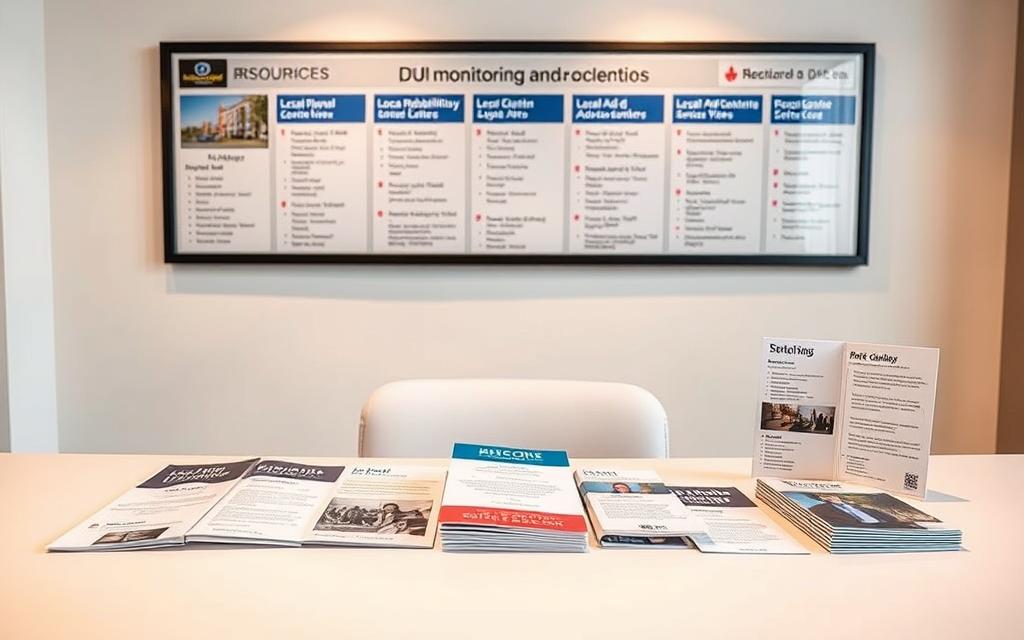
Online Help and Information
Online platforms are key for DUI monitoring help. You can find:
- Government sites with DUI monitoring rules
- Legal sites about DUI Ignition Interlock
- Online counseling services
- Apps for tracking your DUI monitoring
Support Groups and Counseling Centers
Getting emotional support is very important. There are local and online groups that can help a lot:
| Support Type | Description | Accessibility |
|---|---|---|
| 12-Step Programs | Groups for alcohol awareness | Local and online |
| Professional Counseling | Therapy for personal issues | In-person and online |
| Specialized DUI Support Groups | Groups for DUI cases | Community centers and online |
Legal Assistance Options
Getting legal advice is important for DUI Ignition Interlock. Intoxalock can help find affordable SR-22 insurance. This support is very helpful during tough times.
- Free first talks with DUI lawyers
- Legal help for DUI cases
- Online legal advice
Conclusion: The Impact of Alcohol Monitoring Programs
DUI alcohol monitoring is key to keeping us safe and holding people accountable. It’s not just about following the law. It’s a chance for people to start over after a big mistake.
Going through alcohol monitoring is tough but can change lives. People learn to control themselves and make better choices. By doing well, they can avoid making the same mistakes again.
Recap of Key Points
We’ve looked at how alcohol monitoring works. It’s not just about following rules. It’s a team effort to keep everyone safe.
The Importance of Compliance and Support
Doing well in alcohol monitoring takes hard work and help. Those who stay committed and get support do best. Seeing it as a chance to change, not just a punishment, helps a lot.